
A home is more than just a place to live—it is a reflection of personality, lifestyle, and comfort. At Loverish Interiors, residential interior design goes beyond aesthetics. It is about creating spaces that feel welcoming, functional, and uniquely yours.
Understanding the Client’s Vision
Every successful home design begins with understanding the people who live in it. No two families are the same, and their spaces shouldn’t be either. Whether it’s a modern apartment, a traditional house, or a luxury villa, the goal is to translate the client’s vision into a cohesive design.
Designers focus on preferences such as color palettes, materials, layout, and functionality. Some clients prefer minimalism with clean lines, while others lean towards rich textures and layered designs. By aligning design choices with lifestyle needs, a home becomes both beautiful and practical.
Space Planning and Functionality
One of the most important aspects of residential design is space planning. A well-designed home ensures that every square foot is used efficiently. This includes proper furniture placement, lighting design, and storage solutions.
For example, open-plan living areas are becoming increasingly popular, allowing for better interaction and flow between spaces. Similarly, smart storage solutions help keep homes organized without compromising on style.
Functionality is key—especially in urban homes where space may be limited. Multi-purpose furniture, modular kitchens, and built-in wardrobes are all part of modern design strategies that maximize usability.
The Role of Colors and Materials
Colors play a significant role in setting the mood of a home. Soft neutrals create a calming environment, while bold shades add energy and character. Choosing the right color palette can transform the overall feel of a space.
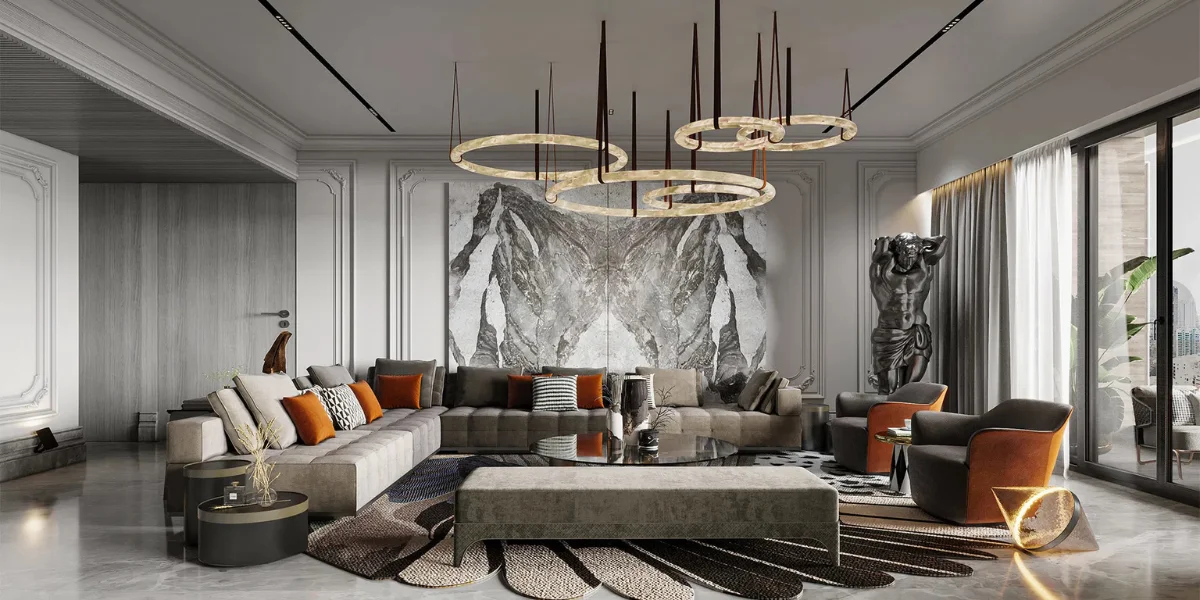
Materials are equally important. From wood and marble to glass and metal, each material adds texture and depth. The right combination creates a balanced and harmonious design.
For instance, wooden finishes bring warmth, while glass elements add a sense of openness. Combining these materials thoughtfully results in a space that feels both elegant and comfortable.
Lighting: The Hidden Element
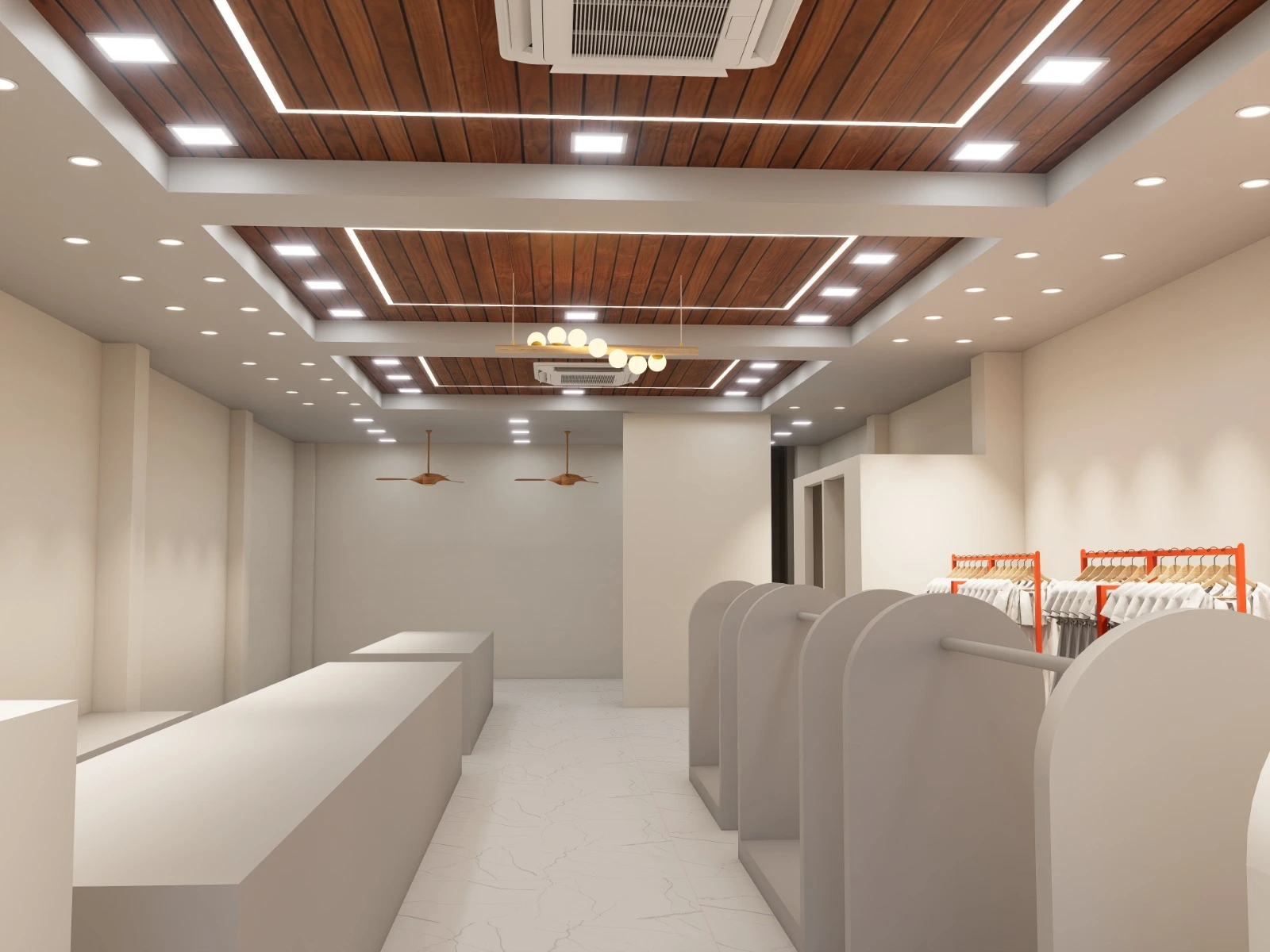
Lighting is often underestimated, yet it has a powerful impact on interior design. A well-lit home enhances both aesthetics and functionality.
Layered lighting—combining ambient, task, and accent lighting—creates depth and flexibility. Natural light is also maximized wherever possible, making spaces feel brighter and more inviting.
From statement chandeliers to subtle LED strips, lighting elements are carefully chosen to complement the overall design.
Personalization and Finishing Touches
What truly makes a house a home is personalization. Artwork, décor pieces, fabrics, and accessories bring character to the space. These finishing touches reflect the homeowner’s personality and make the design unique.
At Loverish Interiors, attention to detail ensures that every element—from furniture selection to décor placement—aligns with the overall theme.
Conclusion
Residential interior design is a blend of creativity, functionality, and personalization. It is about creating spaces that not only look beautiful but also enhance everyday living.
With the right approach, a home can become a sanctuary—one that offers comfort, inspiration, and a true sense of belonging.