
General

post images 03

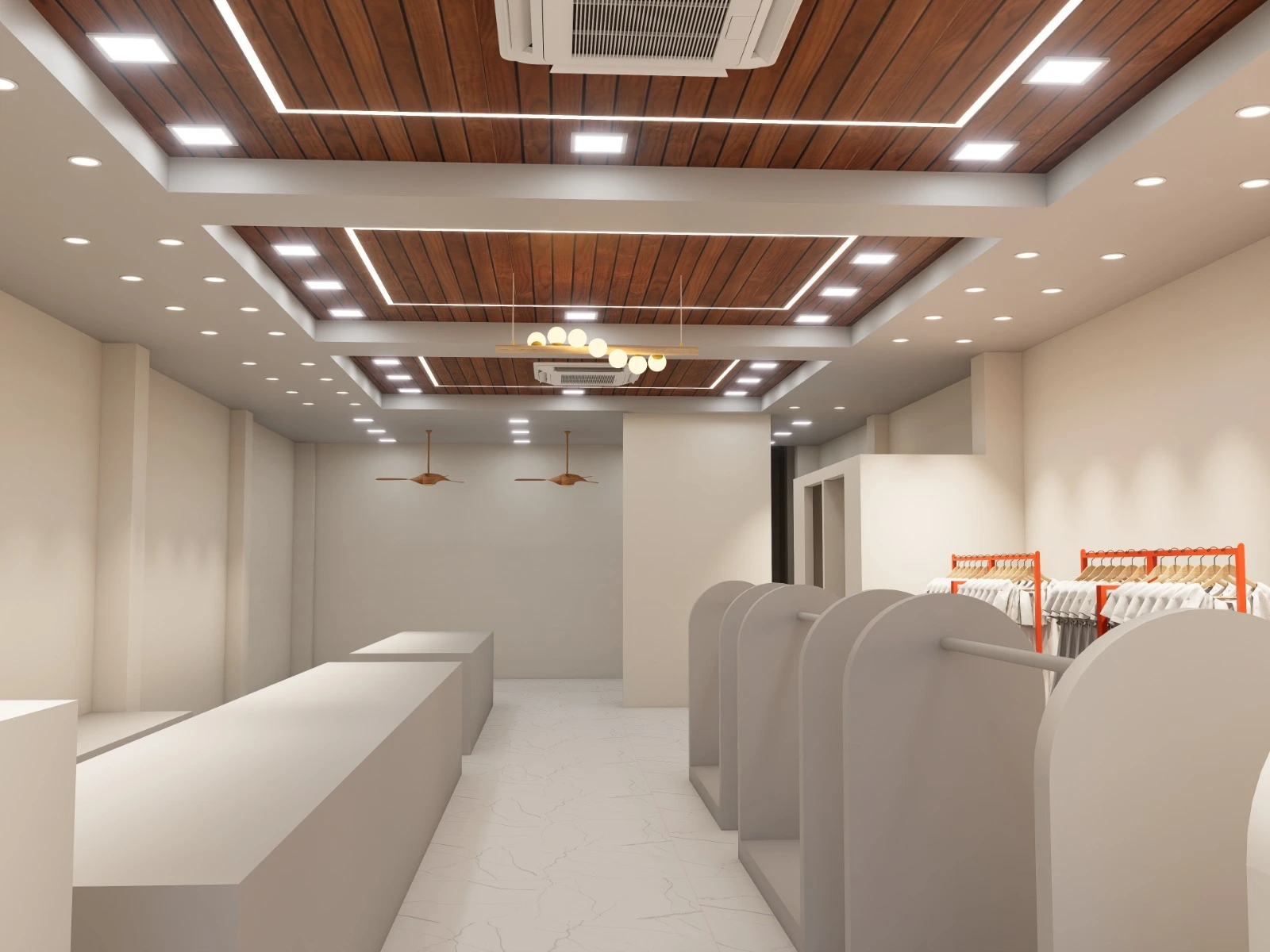
Elevating Business Spaces: The Importance of Commercial Interior Design

In today’s competitive business environment, the design of a workspace plays a crucial role in shaping brand identity, employee productivity, and customer experience. Commercial interior design is not just about appearance—it is a strategic tool for business success. First Impressions Matter The moment a client walks into a commercial space, they form an impression about the business. A well-designed office, showroom, or retail store communicates professionalism, credibility, and attention to detail. From reception areas to meeting rooms, every element contributes to the overall brand image. A thoughtfully designed space builds trust and leaves a lasting impact. Enhancing Employee Productivity Workspaces have a direct influence on employee performance. A well-planned office layout promotes efficiency, collaboration, and comfort. Ergonomic furniture, proper lighting, and noise control are essential factors in creating a productive environment. Open workspaces encourage teamwork, while private areas provide focus when needed. Breakout zones, lounges, and relaxation areas also contribute to employee well-being, leading to better job satisfaction and performance. Reflecting Brand Identity Commercial interiors should reflect the brand’s values and personality. Whether it’s a corporate office, a retail store, or a restaurant, the design should align with the brand’s identity. For example, a tech company may opt for a modern, minimalist design, while a luxury brand may choose elegant and sophisticated interiors. Consistency in design elements helps reinforce brand recognition. Optimizing Space Utilization Efficient space utilization is essential in commercial design. Every area should serve a purpose while maintaining a clean and organized layout. Smart design solutions, such as modular furniture and flexible workspaces, allow businesses to adapt to changing needs. This flexibility is especially important in dynamic work environments. Customer Experience and Engagement In retail and hospitality spaces, design plays a key role in customer engagement. The layout, lighting, and ambiance influence how customers interact with the space. A well-designed store encourages customers to explore, while a thoughtfully designed restaurant enhances the dining experience. Creating a comfortable and visually appealing environment leads to increased customer satisfaction. Sustainability and Modern Trends Sustainable design is becoming increasingly important in commercial spaces. Using eco-friendly materials, energy-efficient lighting, and smart technology not only reduces environmental impact but also lowers operational costs. Modern trends such as biophilic design—incorporating natural elements—are also gaining popularity, creating healthier and more inviting work environments. Conclusion Commercial interior design is a powerful tool that goes beyond aesthetics. It impacts productivity, brand perception, and customer experience. By investing in thoughtful design, businesses can create spaces that support their goals and leave a lasting impression on clients and employees alike.

Elevating Business Spaces: The Importance of Commercial Interior Design Read Post »
commercial loverish

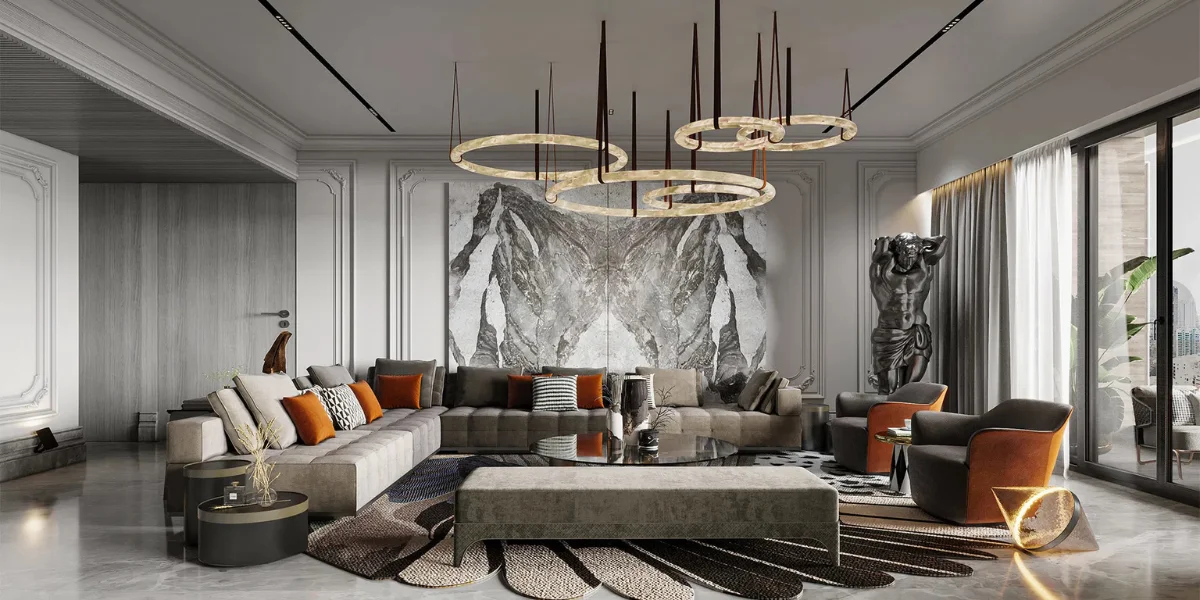
Modern Interior Design Trends Shaping Homes and Workspaces

Interior design is constantly evolving, influenced by lifestyle changes, technology, and cultural shifts. Today’s design trends focus on comfort, functionality, and sustainability, making spaces more adaptable and meaningful. Minimalism with Warmth Minimalism continues to be popular, but with a softer, warmer approach. Instead of stark and cold spaces, modern minimalism incorporates natural textures, soft colors, and cozy elements. This trend emphasizes simplicity while maintaining a sense of comfort and livability. Multi-Functional Spaces With changing lifestyles, especially in urban environments, spaces are becoming more versatile. Homes now include work-from-home setups, and offices are designed for flexibility. Furniture that serves multiple purposes—such as foldable desks or storage beds—is increasingly in demand. Natural Elements and Biophilic Design Bringing nature indoors is one of the biggest trends in interior design. Plants, natural light, and organic materials create a calming and refreshing environment. Biophilic design not only enhances aesthetics but also improves mental well-being and productivity. Smart Homes and Technology Integration Technology is playing a major role in modern interiors. Smart lighting, automated systems, and integrated appliances are making homes more convenient and efficient. In commercial spaces, technology enhances functionality and improves user experience. Bold Accents and Statement Pieces While neutral tones dominate, bold accents are used to add character. Statement furniture, unique lighting fixtures, and artistic décor pieces create focal points in a space. This balance between subtlety and boldness adds depth and interest to interiors. Sustainable Design Choices Sustainability is no longer a trend—it is a necessity. Designers are focusing on eco-friendly materials, energy-efficient solutions, and long-lasting designs. Recycled materials, low-VOC paints, and sustainable furniture are becoming standard choices. Personalization Over Perfection Modern design prioritizes individuality over perfection. Spaces are designed to reflect personal tastes rather than following rigid trends. Mixing styles, textures, and elements creates a unique and authentic environment. Conclusion Interior design today is about creating spaces that adapt to modern lifestyles while maintaining comfort and style. By embracing new trends and focusing on functionality, both homes and commercial spaces can become more dynamic and inspiring. At Loverish Interiors, staying updated with these trends ensures that every project is not only contemporary but also timeless.

Modern Interior Design Trends Shaping Homes and Workspaces Read Post »

residential interior

Transforming Spaces: The Art of Residential Interior Design

A home is more than just a place to live—it is a reflection of personality, lifestyle, and comfort. At Loverish Interiors, residential interior design goes beyond aesthetics. It is about creating spaces that feel welcoming, functional, and uniquely yours. Understanding the Client’s Vision Every successful home design begins with understanding the people who live in it. No two families are the same, and their spaces shouldn’t be either. Whether it’s a modern apartment, a traditional house, or a luxury villa, the goal is to translate the client’s vision into a cohesive design. Designers focus on preferences such as color palettes, materials, layout, and functionality. Some clients prefer minimalism with clean lines, while others lean towards rich textures and layered designs. By aligning design choices with lifestyle needs, a home becomes both beautiful and practical. Space Planning and Functionality One of the most important aspects of residential design is space planning. A well-designed home ensures that every square foot is used efficiently. This includes proper furniture placement, lighting design, and storage solutions. For example, open-plan living areas are becoming increasingly popular, allowing for better interaction and flow between spaces. Similarly, smart storage solutions help keep homes organized without compromising on style. Functionality is key—especially in urban homes where space may be limited. Multi-purpose furniture, modular kitchens, and built-in wardrobes are all part of modern design strategies that maximize usability. The Role of Colors and Materials Colors play a significant role in setting the mood of a home. Soft neutrals create a calming environment, while bold shades add energy and character. Choosing the right color palette can transform the overall feel of a space. Materials are equally important. From wood and marble to glass and metal, each material adds texture and depth. The right combination creates a balanced and harmonious design. For instance, wooden finishes bring warmth, while glass elements add a sense of openness. Combining these materials thoughtfully results in a space that feels both elegant and comfortable. Lighting: The Hidden Element Lighting is often underestimated, yet it has a powerful impact on interior design. A well-lit home enhances both aesthetics and functionality. Layered lighting—combining ambient, task, and accent lighting—creates depth and flexibility. Natural light is also maximized wherever possible, making spaces feel brighter and more inviting. From statement chandeliers to subtle LED strips, lighting elements are carefully chosen to complement the overall design. Personalization and Finishing Touches What truly makes a house a home is personalization. Artwork, décor pieces, fabrics, and accessories bring character to the space. These finishing touches reflect the homeowner’s personality and make the design unique. At Loverish Interiors, attention to detail ensures that every element—from furniture selection to décor placement—aligns with the overall theme. Conclusion Residential interior design is a blend of creativity, functionality, and personalization. It is about creating spaces that not only look beautiful but also enhance everyday living. With the right approach, a home can become a sanctuary—one that offers comfort, inspiration, and a true sense of belonging.

Transforming Spaces: The Art of Residential Interior Design Read Post »

Scroll to Top