

In today’s competitive business environment, the design of a workspace plays a crucial role in shaping brand identity, employee productivity, and customer experience. Commercial interior design is not just about appearance—it is a strategic tool for business success.
First Impressions Matter
The moment a client walks into a commercial space, they form an impression about the business. A well-designed office, showroom, or retail store communicates professionalism, credibility, and attention to detail.
From reception areas to meeting rooms, every element contributes to the overall brand image. A thoughtfully designed space builds trust and leaves a lasting impact.
Enhancing Employee Productivity
Workspaces have a direct influence on employee performance. A well-planned office layout promotes efficiency, collaboration, and comfort.
Ergonomic furniture, proper lighting, and noise control are essential factors in creating a productive environment. Open workspaces encourage teamwork, while private areas provide focus when needed.
Breakout zones, lounges, and relaxation areas also contribute to employee well-being, leading to better job satisfaction and performance.
Reflecting Brand Identity
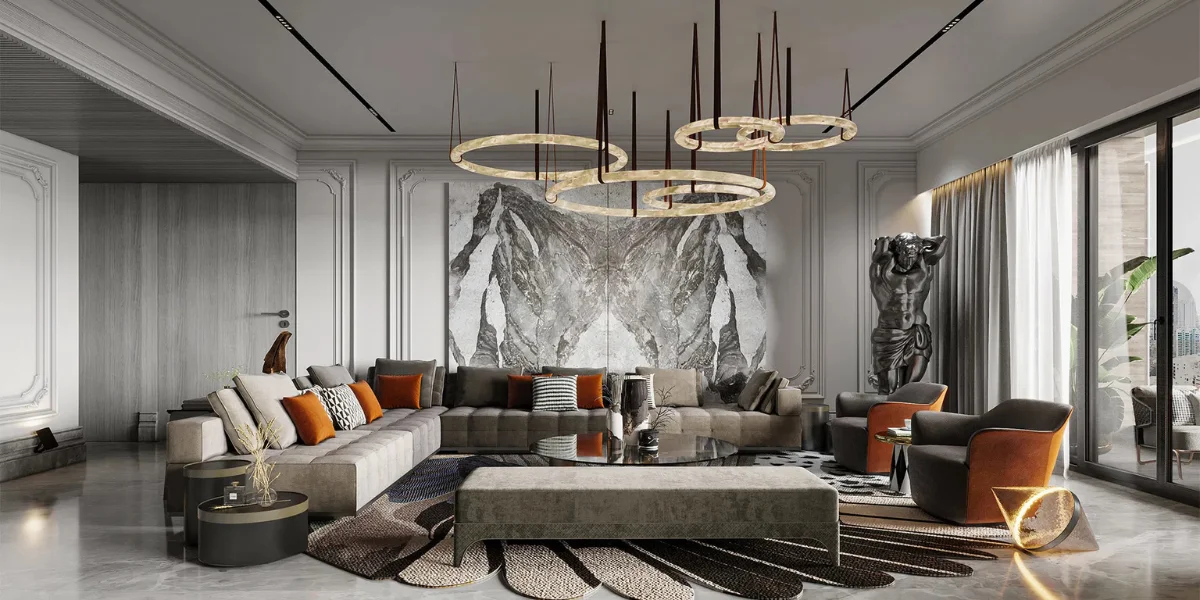
Commercial interiors should reflect the brand’s values and personality. Whether it’s a corporate office, a retail store, or a restaurant, the design should align with the brand’s identity.
For example, a tech company may opt for a modern, minimalist design, while a luxury brand may choose elegant and sophisticated interiors. Consistency in design elements helps reinforce brand recognition.
Optimizing Space Utilization
Efficient space utilization is essential in commercial design. Every area should serve a purpose while maintaining a clean and organized layout.
Smart design solutions, such as modular furniture and flexible workspaces, allow businesses to adapt to changing needs. This flexibility is especially important in dynamic work environments.
Customer Experience and Engagement
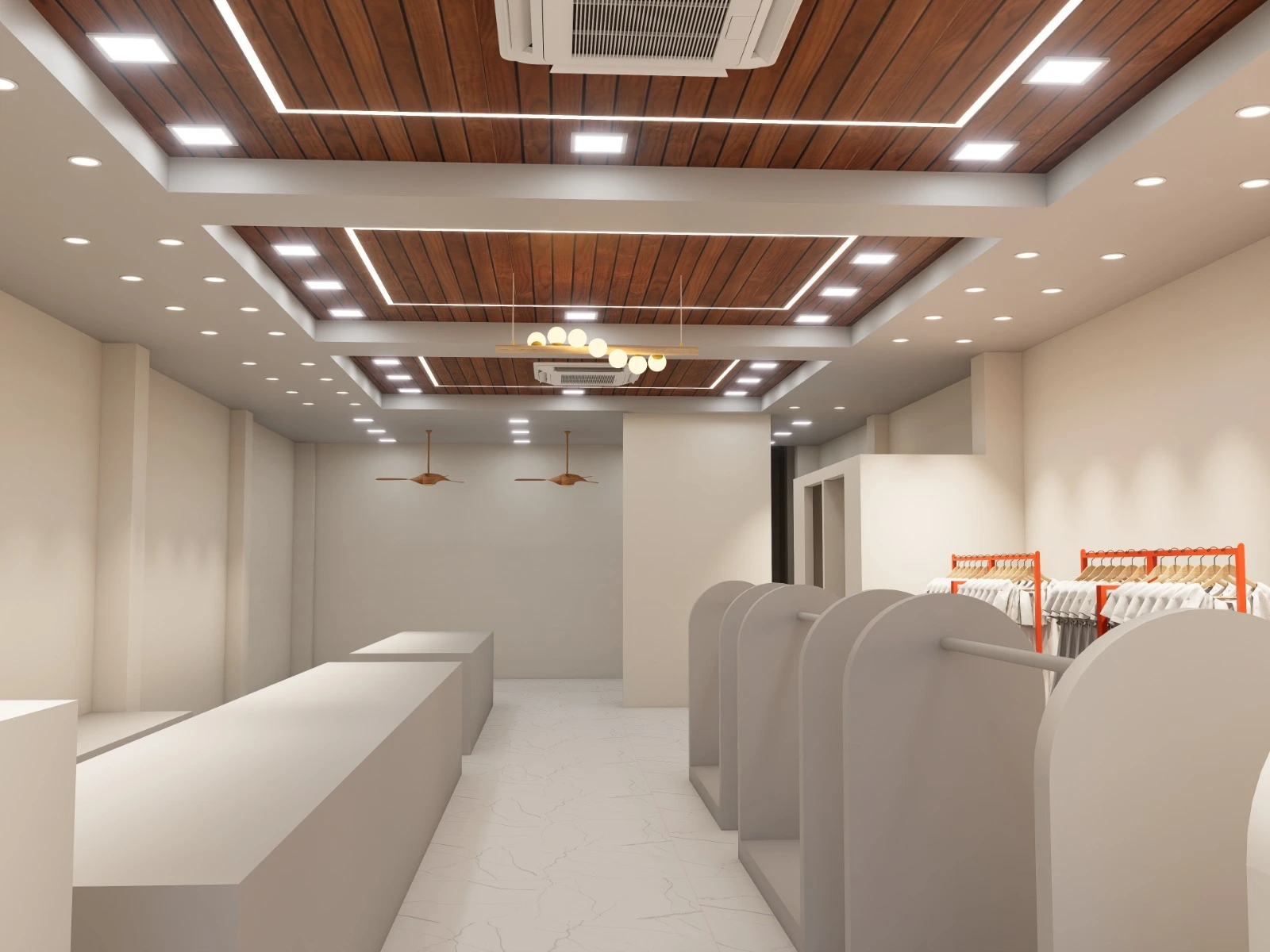
In retail and hospitality spaces, design plays a key role in customer engagement. The layout, lighting, and ambiance influence how customers interact with the space.
A well-designed store encourages customers to explore, while a thoughtfully designed restaurant enhances the dining experience. Creating a comfortable and visually appealing environment leads to increased customer satisfaction.
Sustainability and Modern Trends
Sustainable design is becoming increasingly important in commercial spaces. Using eco-friendly materials, energy-efficient lighting, and smart technology not only reduces environmental impact but also lowers operational costs.
Modern trends such as biophilic design—incorporating natural elements—are also gaining popularity, creating healthier and more inviting work environments.
Conclusion
Commercial interior design is a powerful tool that goes beyond aesthetics. It impacts productivity, brand perception, and customer experience.
By investing in thoughtful design, businesses can create spaces that support their goals and leave a lasting impression on clients and employees alike.